Transforming Brand Identity: The Power of Steel Logo Mockup 3D Sign Façade Buildng for Professional Presentation
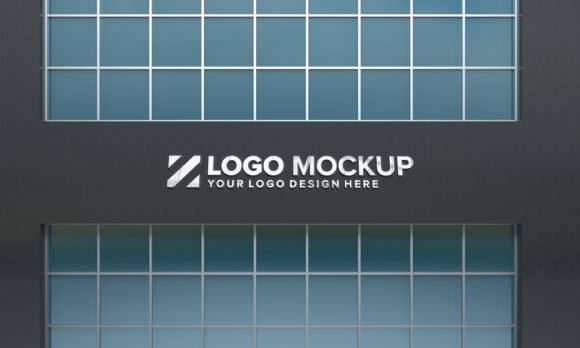
In the competitive landscape of visual branding, the presentation of a logo is just as critical as its design. A static image on a white background rarely conveys the full weight and potential of a brand identity. This is where high-fidelity visualization tools become indispensable. Among the most sought-after resources for designers and agencies is the Steel Logo Mockup 3D Sign Façade Buildng. This specific mockup category offers more than just a backdrop; it provides a realistic architectural context that grounds a logo in the physical world, allowing stakeholders to visualize how a brand will appear on large-scale commercial structures.
The intersection of modern architecture and digital signage has created a demand for mockups that reflect contemporary aesthetics. These tools are designed to simulate the look of steel signage mounted on the facades of modern buildings. By utilizing advanced rendering techniques, these files allow creators to showcase their work in environments that feel tangible, expensive, and professionally installed. Whether you are a graphic designer pitching to a corporate client or a business owner planning a new office exterior, understanding the value of such detailed mockups is essential for effective communication.
The Architecture of Realism: Why Context Matters
One of the primary challenges in presenting a logo design is conveying scale and materiality. A flat vector file does not communicate whether a sign will be brushed aluminum, polished chrome, or matte black steel. It also fails to show how the logo interacts with light, shadow, and the surrounding environment. The Steel Logo Mockup 3D Sign Façade Buildng addresses these gaps by providing a photorealistic setting that mimics real-world conditions.
Modern buildings often feature clean lines, glass curtain walls, and metallic accents. Placing a logo on such a surface requires a mockup that respects the physics of light reflection and surface texture. High-quality 3D rendered mockups achieve this through V-Ray technology, which simulates global illumination, reflections, and depth of field. When a designer presents a logo on a sleek, steel-clad building facade, they are not just showing a design; they are selling an experience. The viewer can immediately grasp the prestige and solidity associated with the brand.
This level of realism is crucial for several reasons. First, it reduces ambiguity. Clients often struggle to imagine how a two-dimensional concept translates to three-dimensional reality. A realistic façade mockup bridges this gap, ensuring that everyone involved in the project has a shared vision. Second, it enhances perceived value. A logo presented in a sophisticated urban context appears more established and trustworthy than one displayed in isolation. For creative professionals, this distinction can be the difference between securing a contract and losing a bid.
Technical Features and Workflow Efficiency
Beyond aesthetic appeal, the utility of a mockup lies in its technical implementation. The Steel Logo Mockup 3D Sign Façade Buildng is engineered for ease of use without compromising on quality. Understanding the technical specifications helps users maximize the potential of the asset. Typically, these mockups are delivered as fully layered PSD files, compatible with Adobe Photoshop CS6 and later versions. This compatibility ensures that a wide range of professionals can utilize the tool regardless of their software subscription tier.
A key feature of these mockups is the use of Smart Objects. This functionality allows designers to replace the placeholder logo with their own design in just a few clicks. Once the new design is placed, the smart object automatically applies the necessary warping, lighting adjustments, and texture mapping to match the perspective of the building. This eliminates the need for manual distortion techniques, saving hours of tedious work and reducing the risk of errors. The result is a seamless integration where the logo appears naturally embedded into the steel surface.
- Resolution and Clarity: With dimensions typically around 5000 x 3000 pixels, these mockups offer high resolution suitable for both web presentations and large-format printing. The 72 Dpi standard ensures crisp display on screens, while the pixel density allows for detailed viewing.
- Organized Layer Structure: Professional workflows require organized files. These mockups come with well-named layers and folders, making it easy to isolate specific elements like the building structure, the sky, or the signage itself. This organization facilitates non-destructive editing, allowing users to tweak backgrounds or adjust lighting independently of the logo.
- V-Ray Rendering Quality: The underlying 3D models are rendered using V-Ray, a industry-standard renderer known for its photorealism. This ensures that shadows fall correctly, reflections behave realistically, and the overall image possesses a cinematic quality that elevates the presentation.
Diverse Styles and Visual Effects
Branding is not one-size-fits-all. Different industries and brand personalities require different visual treatments. The versatility of the Steel Logo Mockup 3D Sign Façade Buildng lies in its ability to accommodate various stylistic preferences. While the core concept revolves around steel and modern architecture, the execution can vary significantly to suit different needs.
Designers can experiment with multiple logo effects to find the perfect match for their client’s identity. Common styles include:
- Embossed and Debossed: Creating a tactile sense of depth, these effects make the logo appear raised or recessed from the steel surface. This adds a layer of sophistication and suggests durability.
- Metallic Finishes: The mockups support silver, gold, bronze, and black steel finishes. A gold logo on a dark steel background might convey luxury and exclusivity, while a silver logo on a glass and steel facade might suggest innovation and transparency.
- 3D Extrusion: Some variations allow for the logo to have actual thickness, casting dynamic shadows on the building surface. This effect is particularly powerful for brands that want to emphasize strength and presence.
Furthermore, the variety of perspectives offered in these mockup packs allows for dynamic compositions. Designers are not limited to straight-on frontal views. Angled shots, close-ups, and wide-angle perspectives provide a comprehensive view of how the signage interacts with the building’s geometry. This variety enables creatives to create compelling collages for portfolios or social media campaigns, showcasing the logo from multiple angles to tell a complete story.
Practical Applications Across Industries
The application of these high-end façade mockups extends across numerous sectors. Corporate offices, tech startups, luxury hotels, and retail chains all benefit from realistic signage presentations. For instance, a tech company launching a new headquarters might use a minimalist steel mockup to highlight their focus on innovation and modernity. A luxury fashion brand might opt for a gold-embossed effect on a marble and steel facade to reinforce their premium positioning.
Educational institutions and research centers also find value in these tools. They often need to present campus improvements or new building projects to donors and board members. A realistic mockup of a university nameplate or department sign on a modern academic building can help secure funding by visualizing the end result clearly. Similarly, hobbyists and independent artists who sell custom signage can use these mockups to demonstrate potential outcomes to clients, even if they do not manufacture the signs themselves.
Implementation and Best Practices
To get the most out of the Steel Logo Mockup 3D Sign Façade Buildng, users should adhere to certain best practices. First, always ensure your logo file is high-resolution before placing it into the smart object. Blurry or low-DPI logos will remain blurry even after being mapped onto the mockup. Second, pay attention to color correction. Adjust the brightness and contrast of your logo within the smart object to ensure it harmonizes with the lighting of the scene. A logo that is too bright may look artificial against a darker steel background.
Additionally, consider the environmental context. If the mockup includes a sky or surrounding cityscape, ensure that the mood of the scene aligns with the brand message. A somber, overcast day might not be the best choice for a cheerful children’s brand, whereas a sunny, vibrant setting might clash with a serious law firm. The included help file usually provides guidance on adjusting these environmental factors, so consulting it is recommended for optimal results.
Finally, leverage the organized layer structure to create variations. You can easily swap out the background building, change the time of day, or adjust the angle of the sun to create a series of images from a single source file. This efficiency allows designers to produce a rich portfolio of assets quickly, enhancing their productivity and output quality.
Conclusion
In summary, the Steel Logo Mockup 3D Sign Façade Buildng represents a significant advancement in how brand identities are presented and perceived. By combining technical precision with artistic realism, it empowers designers and businesses to showcase their logos in a manner that is both visually stunning and contextually accurate. From the ease of use provided by Smart Objects to the diverse styling options available, these mockups serve as a vital tool in the modern designer’s toolkit. As the demand for high-quality visual communication continues to grow, mastering the use of such realistic architectural mockups will remain a key skill for professionals aiming to deliver impactful and memorable brand experiences.