Evaluating the January 3d Text Effect Mockup for Professional Design Projects
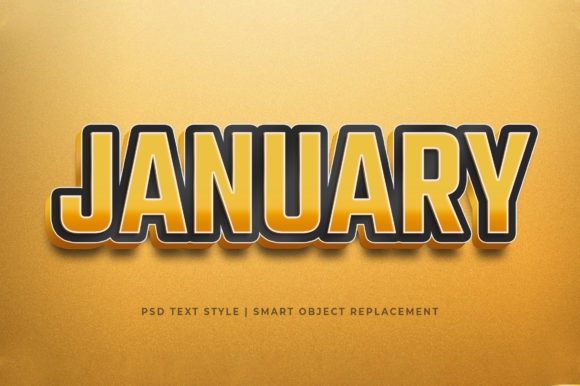
In the competitive landscape of digital and print design, visual impact is often determined by typography. The way text interacts with its environment can elevate a simple message into a compelling brand statement. For designers seeking to incorporate depth, realism, and modern aesthetics without spending hours on manual compositing, January 3d Text Effect Mockup has emerged as a significant resource in the creative toolkit. This asset is designed to streamline the workflow for graphic designers, marketers, and content creators who need high-quality typographic presentations quickly.
Understanding whether this specific mockup fits your project requirements involves looking beyond surface-level features. It requires an evaluation of its technical specifications, editing flexibility, and suitability across various media formats. By examining its core capabilities, such as smart object replacement and layer organization, we can determine where it excels and where alternative solutions might be more appropriate.
Core Features and Technical Specifications
The foundation of any useful design mockup lies in its technical robustness. January 3d Text Effect Mockup is built on a resolution of 2000×1200 pixels. While this may seem modest compared to ultra-high-resolution prints used in large-scale billboarding, it is highly sufficient for web banners, social media graphics, website headers, and standard print materials like flyers or book covers. The aspect ratio and pixel dimensions strike a balance between file size manageability and visual clarity.
One of the most critical aspects of this mockup is its emphasis on ease of use. The product boasts 100 editable layers, which might initially sound daunting, but this structure is actually a feature rather than a bug. These layers are not random; they are fully layered and well-organized into folders within the Adobe Photoshop interface. This organizational structure allows users to locate specific elements—such as shadows, highlights, reflections, or base textures—without navigating through a chaotic list of ungrouped items. For professionals accustomed to complex PSD files, this level of organization reduces cognitive load and speeds up the revision process.
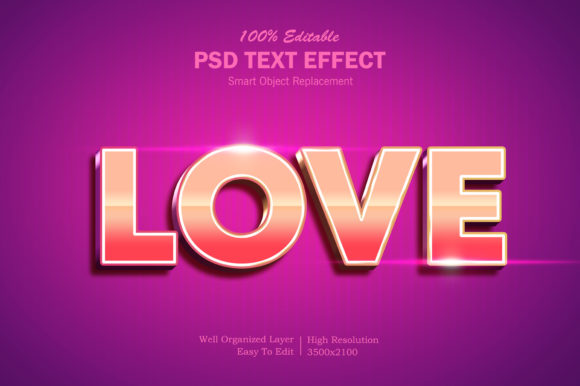
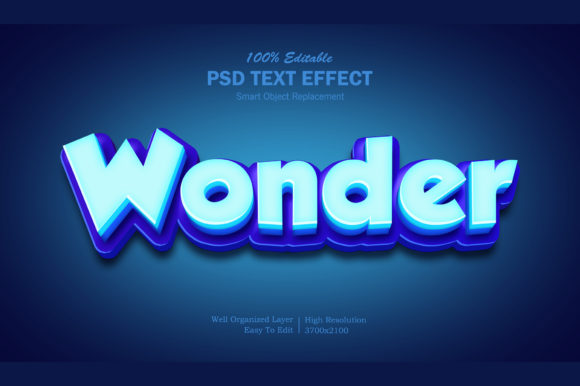
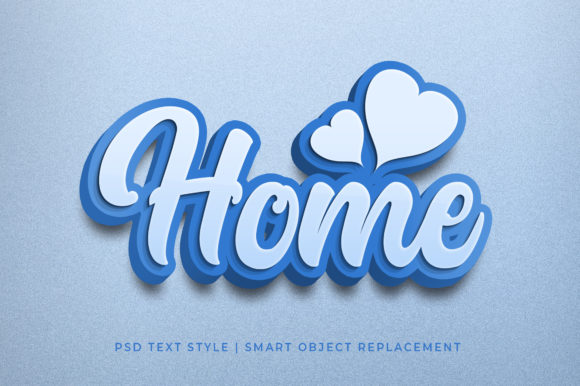
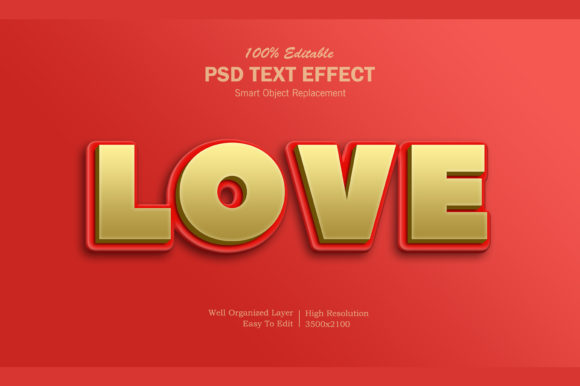
The primary mechanism for customization is Smart Object Replacement. This feature allows designers to double-click a placeholder layer, insert their own text or image, and save the changes. The mockup automatically updates the lighting, perspective, and texture mapping to match the new content. This eliminates the need for manual warping, masking, or blending mode adjustments, which are common pain points in traditional text effect creation. The promise of "just replace your text, no skill" suggests that even those with intermediate design skills can achieve professional results, though a basic understanding of Photoshop’s layer panel remains beneficial for fine-tuning.
Comparative Analysis: Efficiency vs. Customization
When evaluating January 3d Text Effect Mockup, it is helpful to compare it against two other common approaches: creating text effects from scratch using native Photoshop tools, and using pre-made static PNG overlays.
Creating from Scratch: Building a realistic 3D text effect manually involves multiple steps: extruding shapes, applying gradient maps, adding drop shadows, setting up light sources, and refining edge details. This process offers unlimited customization but is time-intensive. A single complex text effect might take 30–60 minutes to perfect. In contrast, the January mockup reduces this time to seconds. However, the trade-off is a fixed aesthetic. If you require a style that deviates significantly from the mockup’s predefined geometry or material properties, you will have less control than if you were building it yourself.
Static Overlays: Some resources offer flat PNG images with transparent backgrounds that sit on top of text. These are extremely fast but lack realism. They do not interact with the text’s volume or lighting, often resulting in a "floating" appearance that looks amateurish. January 3d Text Effect Mockup avoids this pitfall by using intelligent layering and smart objects that simulate how light interacts with three-dimensional surfaces. This makes it a superior choice for projects requiring photorealism, such as high-end branding or premium packaging designs.
Best-Fit Use Cases and Applications
The versatility of January 3d Text Effect Mockup allows it to be applied across a wide spectrum of design disciplines. Its utility is particularly evident in scenarios where speed and consistency are prioritized over unique, one-off artistic expressions.
- Web Banners and Digital Marketing: Online advertisements require immediate visual hook. Bold, 3D-style text captures attention faster than flat typography. The 2000×1200 resolution ensures crisp rendering on retina displays while keeping load times reasonable.
- KDP Book Covers: For self-publishing authors using Kindle Direct Publishing (KDP), cover design is crucial. A striking title treatment can differentiate a book in a crowded marketplace. The mockup provides a professional finish that rivals traditionally published books, helping indie authors compete visually.
- Print-on-Demand (POD) Products: Sellers on platforms like Redbubble or Etsy often need to generate numerous variations of a design for t-shirts, mugs, or posters. The ease of editing allows for rapid iteration of slogans and names without sacrificing quality.
- Social Media Content: Instagram posts, Pinterest pins, and YouTube thumbnails benefit from dynamic text effects. The organized layers allow for quick color swaps to match seasonal themes or brand guidelines.
Limitations and Considerations
No single tool is a universal solution. While January 3d Text Effect Mockup offers significant advantages, there are limitations that designers should consider before integrating it into their workflow.
First, the fixed nature of the 3D model means that the underlying geometry cannot be easily altered. If a project requires a custom font shape, extreme distortion, or a non-standard perspective angle, this mockup may not be suitable. In such cases, relying on 3D software like Blender or Cinema 4D would provide the necessary freedom, albeit at the cost of increased complexity and render times.
Secondly, while the layer organization is praised, having 100 layers can still be overwhelming for beginners. Although the folders help, novices might struggle to understand the relationship between different adjustment layers, clipping masks, and blend modes. Without proper guidance, tweaking settings like shadow intensity or specular highlights could lead to unnatural-looking results. Therefore, this tool is best suited for users who have at least a foundational knowledge of Photoshop’s mechanics.
Finally, the resolution limit of 2000×1200 pixels restricts its use in large-format printing. For billboard-sized displays or high-resolution gallery prints, designers would need to upscale the image, which can introduce artifacts, or source a higher-resolution version of the mockup. Always check the final output requirements before committing to this asset for physical production.
Decision Framework: Is It Right for You?
Choosing the right design resource depends on balancing time, budget, and quality expectations. January 3d Text Effect Mockup is an excellent investment for professionals who value efficiency and consistency. If your workflow involves producing multiple assets weekly, such as ad creatives or social media posts, the time saved through smart object replacement can justify the cost or effort of acquiring the template.
Conversely, if you are working on a unique, high-stakes campaign where the typography is the central artistic element, you may find the constraints of a pre-built mockup limiting. In these instances, investing time in custom design or hiring a specialist typographer might yield better long-term brand value.
Ultimately, the strength of January 3d Text Effect Mockup lies in its accessibility and practicality. It democratizes high-quality 3D typography, allowing designers of varying skill levels to produce polished work. By understanding its capabilities and limitations, you can strategically deploy it to enhance your projects, ensuring that your visual communication is both effective and efficient.