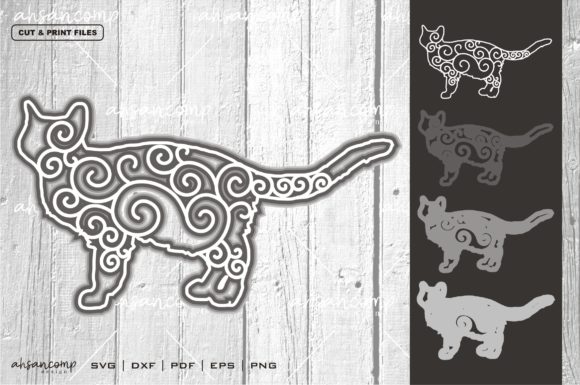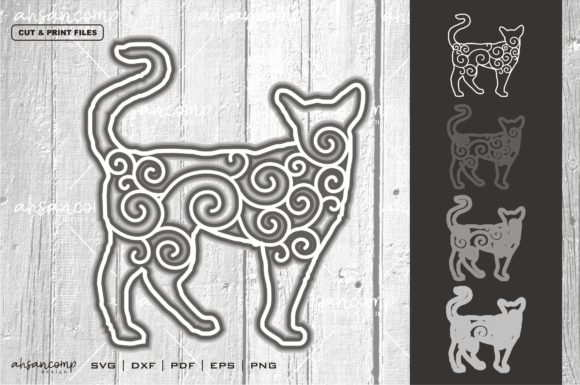
The Art of Digital Simplicity: Mastering the Use of Layered Cat Vector Illustrations
In the rapidly evolving landscape of digital content creation, visual appeal is paramount. Whether you are a graphic designer crafting a brand identity, a hobbyist creating custom t-shirts, or a small business owner designing marketing materials, the quality of your imagery can make or break your project. One specific asset that has gained significant traction in recent years is the Cat Vector 5 design. This particular illustration represents more than just a cute picture; it is a sophisticated digital tool designed for versatility, scalability, and creative freedom.
However, purchasing a digital file comes with unique expectations and responsibilities that differ vastly from buying physical goods. Understanding what you are actually receiving—and how to use it effectively—is crucial for maximizing the value of your purchase. This guide will walk you through the specifics of the Cat Vector 5 layered download, explaining the file formats included, the importance of layering, and how to integrate these assets into your workflow.
What Exactly Is a Digital Download?
Before diving into the technical specifications of the vector files, it is essential to clarify the nature of the product. When you purchase Cat Vector 5, you are engaging in a transaction for intellectual property rights, not a physical commodity. No physical items will be sent to you. There is no shipping tracking number, no cardboard box, and no printed poster arriving at your doorstep.
Instead, you are receiving a set of high-resolution digital codes and instructions that your computer can interpret to display an image. These files are delivered via a secure link, usually in a compressed format. This method of delivery allows designers to offer instant access to their work, keeping overhead costs low and allowing for rapid updates to designs. For the buyer, this means immediate gratification—you can start designing minutes after checkout.
Clarifying Common Misconceptions
A common misunderstanding among new buyers is the expectation of seeing the final framed product or a branded mockup as part of the actual deliverable. It is important to note that any backgrounds, logos, mock-ups, photos, framed images, or cut images shown in the listing are for illustration purposes only. These visuals are used to demonstrate how the vector art might look when applied to a real-world object, such as a mug, a tote bag, or a wall frame. They serve as inspiration, but they are not the files you will receive. The core asset is the raw, editable vector data itself.
Deconstructing the File Package
The power of the Cat Vector 5 design lies in its comprehensive package. A single image is rarely enough for professional projects, which is why this download includes multiple file types. Each format serves a distinct purpose, ensuring that whether you are using Adobe Illustrator, Cricut Design Space, or Canva, you have the right tool for the job.
The files are bundled together in a ZIP file format. This is a standard compression archive that reduces the size of the files for faster downloading and organizes them into a single folder. Once downloaded, you must extract (unzip) the folder before you can open the individual files. Most modern operating systems handle this automatically, but if you encounter issues, you may need specialized software like WinZip or 7-Zip.
The Essential Formats Included
- EPS File: Encapsulated PostScript (EPS) is a legacy but highly compatible vector format. It is widely supported by various design applications and print shops. If you are sending your design to a large-scale printer who uses older machinery, the EPS file is often the safest bet for maintaining crisp lines and colors.
- PNG File: Portable Network Graphics (PNG) is a raster image format, meaning it is made of pixels rather than mathematical paths. However, PNGs support transparency. This is incredibly useful for quick edits or when you need to place the cat illustration over a background without a white box surrounding it. Note that because it is pixel-based, it cannot be scaled up infinitely without losing quality.
- PDF File: Portable Document Format (PDF) is versatile. While often associated with documents, PDFs can contain vector data. This format is excellent for sharing designs with clients who do not have design software installed, as they can view the high-quality image on any device without distortion.
- SVG File: Scalable Vector Graphics (SVG) is the gold standard for web design and modern cutting machines. Because SVGs are XML-based vectors, they remain sharp at any size. They are perfect for websites, apps, and crafts involving vinyl cutters like Cricut or Silhouette. If you are making stickers or decals, the SVG file is likely your primary resource.
- DXF File: Drawing Exchange Format (DXF) is another vector format, originally developed by Autodesk for CAD (Computer-Aided Design) software. In the crafting community, DXF files are frequently used alongside SVGs for laser cutting or CNC routing. It provides precise coordinate data for machines that need to know exactly where to cut.
The Power of "Layered" Designs
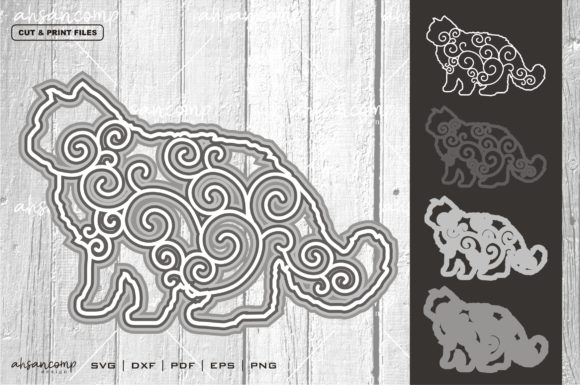
You may notice the description emphasizes that this is a 3D Layered vector. What does this mean for you? In traditional flat design, all elements of an image are merged into a single silhouette. In a layered vector, different parts of the image—such as the cat’s ears, whiskers, body, and tail—are separated onto individual layers within the file.
This separation offers immense creative flexibility. Imagine you want to create a sticker of the cat, but you prefer a solid color scheme rather than the original multi-color version. With a layered file, you can select just the body shape, change its fill color to red, and ignore the intricate details of the fur texture. You could even separate the head from the body to create a "floating head" icon for a social media profile picture.
Furthermore, layering allows for depth. By adjusting the opacity or adding shadows to specific layers, you can enhance the "3D" effect mentioned in the title, giving your flat vector a sense of dimension and realism that a merged image simply cannot achieve.
Practical Applications in Modern Creativity
How does this translate to real-world usage? Consider the rise of the creator economy. Small businesses selling on Etsy or Shopify rely heavily on unique, high-quality graphics. A generic clip-art cat lacks character. A layered vector allows you to customize the design to fit a specific theme—perhaps changing the collar color to match a holiday season or isolating the paws to create a pattern for fabric printing.
In education, teachers can use these files to create engaging learning materials. A layered cat vector can be used in a science lesson about anatomy, where students identify different parts of the animal by editing the labels on separate layers. In corporate settings, HR departments might use modified versions of such friendly illustrations in internal newsletters to humanize the workplace culture.
Getting Started: Best Practices for New Users
If you are new to working with vector files, the process can seem intimidating. However, following a few best practices will ensure a smooth experience.
- Check Your Software Compatibility: Ensure you have the necessary software to open the files. For example, you cannot edit an EPS file directly in Microsoft Word. Tools like Inkscape (free), Adobe Illustrator, or online editors like Vectr are good starting points.
- Backup Your Originals: Always keep a copy of the original ZIP file untouched. If you accidentally delete a layer or corrupt a file during editing, having the pristine original allows you to start fresh.
- Experiment with Layers: Do not be afraid to hide or show layers. Toggle the visibility of the cat’s features to see how the composition changes. This experimentation is often where the most innovative designs emerge.
- Respect Licensing: Even though you own the file, check the license agreement. Most personal use licenses allow you to sell physical products you create (like printed shirts), but they may prohibit reselling the digital file itself. Always adhere to the creator’s terms to avoid legal issues.
Conclusion
The Cat Vector 5 download is more than just a collection of images; it is a toolkit for creativity. By understanding the difference between raster and vector formats, appreciating the utility of layered structures, and recognizing the value of digital-only transactions, you position yourself to create professional, polished results. Thank you for taking the time to view my design illustrations. We hope this guide helps you unlock the full potential of your new digital assets, turning simple pixels into powerful visual stories.