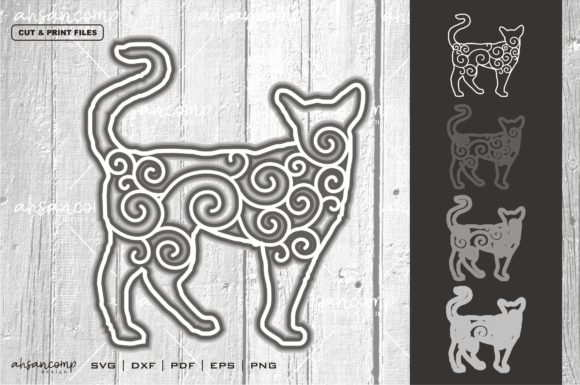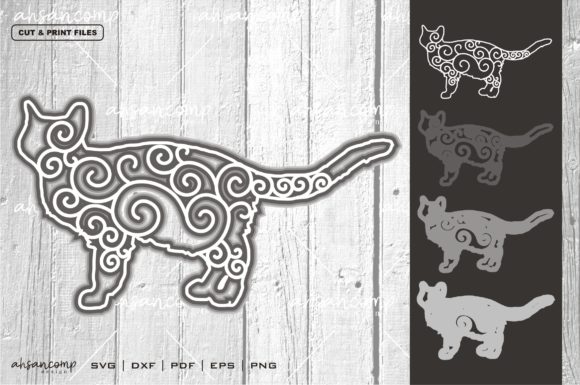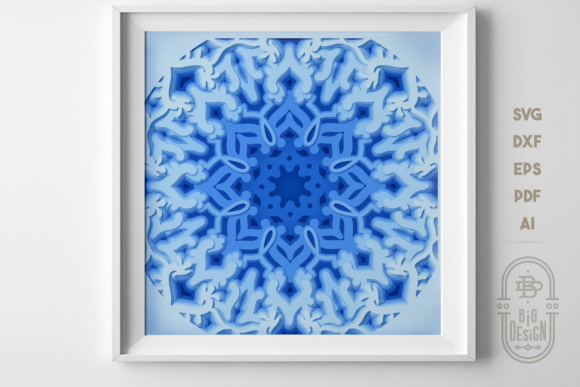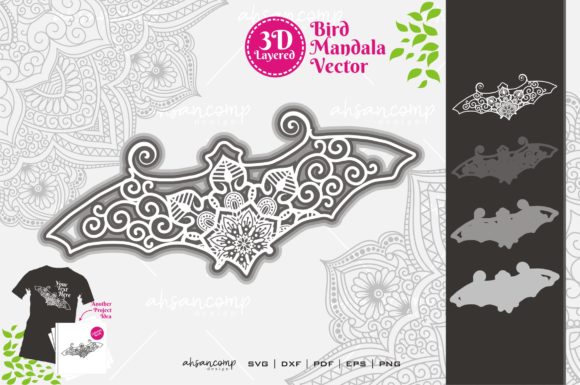
Wall Art 3D, Tree, Layered Tree: Transforming Spaces with Digital Precision
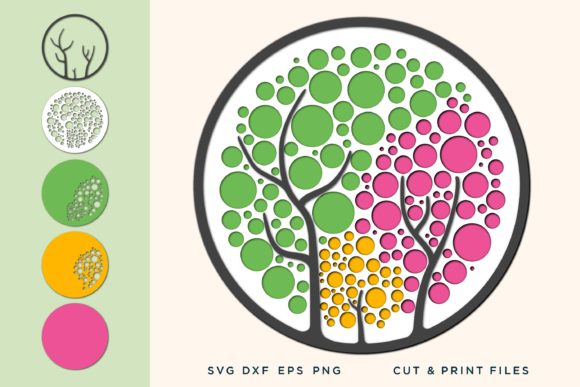
There is a distinct magic in taking a flat digital file and watching it transform into a dimensional piece of art that commands attention in a room. This is the essence of working with Wall Art 3D, Tree, Layered Tree designs. It is not merely about printing an image; it is about creating depth, shadow, and texture through strategic layering. For crafters, interior designers, and DIY enthusiasts, this specific design offers a versatile canvas for creativity, allowing you to build intricate visual narratives using simple geometric or organic shapes stacked upon one another.
The beauty of this approach lies in its accessibility. You do not need expensive machinery to start, nor do you need years of artistic training. What you need is a vision and the right digital assets. When you acquire the original images without watermarks, you are gaining full creative control. The absence of a background in the available file formats means you can place these layered trees anywhere—on wood, acrylic, metal, or even fabric—without fighting against unwanted white squares or pixelated edges. This level of freedom is what separates professional-looking results from amateur attempts.
Why Layered Designs Resonate in Modern Interiors
In recent years, interior trends have shifted toward textures and natural elements. A flat poster of a forest can feel distant, but a physical representation of a tree made from layered materials feels grounded and tactile. The Layered Tree concept taps into this desire for biophilic design—the human tendency to seek connections with nature—even when we are indoors. By constructing a tree out of different materials, you create a dynamic interplay of light and shadow. As sunlight moves across the wall throughout the day, the layers cast subtle shadows that change the appearance of the artwork, making it a living piece rather than a static decoration.
This style works exceptionally well in nurseries and children’s rooms, where soft, organic shapes provide comfort and stimulation. However, it is equally powerful in modern offices or minimalist living spaces. In a corporate setting, a sleek, monochromatic layered tree can serve as a calming focal point, reducing stress and promoting focus. In a rustic cabin or farmhouse-style home, using reclaimed wood layers adds warmth and character. The versatility of the Wall Art 3D, Tree, Layered Tree format allows it to adapt to any aesthetic, provided you choose the right materials for each layer.
Real-World Applications Beyond the Home Wall
While many people associate layered art with home decor, the applications extend far beyond personal living spaces. Small business owners often use these designs to create branded merchandise or signage. Imagine a boutique coffee shop using a layered tree motif on their menu boards or window decals. The transparency of the PNG files ensures that the design blends seamlessly with whatever surface it is applied to, whether that is glass, wood paneling, or painted drywall.
Event planners also find immense value in these digital assets. Wedding backdrops, baby shower decorations, and corporate event walls often require custom graphics that are cost-effective yet visually striking. Instead of commissioning expensive custom carpentry, planners can purchase the digital files, cut them locally using vinyl or foam board, and assemble them on-site. This reduces lead times and allows for last-minute changes. Furthermore, because the files are vector-based (SVG and DXF), they can be scaled up to massive sizes without losing quality, ensuring that a small detail remains crisp even on a ten-foot wide installation.
Educators and therapists utilize these designs in unique ways. In classrooms, layered trees can be used as interactive learning tools, where students add leaves or branches to represent growth milestones. In therapeutic settings, the process of cutting and assembling layers can be a meditative activity, helping individuals focus and achieve a state of flow. The tactile nature of the project provides a sensory experience that screens cannot replicate.
Navigating File Formats for Optimal Results
One of the most critical aspects of working with digital art is understanding the file formats you receive. When you download the set, you will encounter four distinct types: SVG, DWG, DXF, and PNG. Each serves a specific purpose, and knowing how to leverage them can save you time and frustration.
- SVG Vector Files: These are the gold standard for most crafting software. Because they are vector-based, you can resize them infinitely without any loss of quality. Whether you are cutting a tiny sticker or a large wall mural, the lines remain sharp. They are fully compatible with Silhouette Studio, Cricut Design Space, and Adobe Illustrator, making them the most versatile option for beginners and professionals alike.
- DWG and DXF Vector Files: These formats are primarily designed for CAD (Computer-Aided Design) software and laser cutting machines. If you plan to use a laser cutter to etch or engrave the tree design onto wood or acrylic, these files are essential. They contain precise coordinate data that ensures the machine cuts exactly where intended. This is particularly useful for industrial applications or when working with thick materials that require high precision.
- PNG Raster Files: High-quality 300ppi PNGs with transparent backgrounds are perfect for printing. If you want to print the layered tree on paper, cardstock, or canvas, these files provide the necessary resolution for crisp, clear images. The transparent background is crucial here, as it allows you to composite the image over any color or pattern in photo editing software before sending it to the printer.
It is important to note that while these files are guaranteed to work with major software like Silhouette Studio (both Design and Basic editions), Brother’s ScanNCut Canvas, Sure Cuts A Lot, Make the Cut, Adobe Illustrator, and CorelDraw, a basic knowledge of your chosen software is assumed. Understanding how to import, ungroup, and prepare files for cutting or printing is part of the process. Taking the time to learn these basics will significantly enhance your final output.
Considerations for Successful Projects
Before diving into a project, it is helpful to consider the material choices. The thickness of your material will determine the spacing between layers. If you use thin cardstock, the layers may touch, creating a solid silhouette effect. If you use thicker plywood or acrylic, you might need spacers or adhesive dots to maintain distance between layers, enhancing the 3D effect. Experimenting with mixed media can yield stunning results; for example, combining a wooden trunk with metallic foil leaves can create a luxurious, contemporary look.
Another consideration is the complexity of the design. While the Wall Art 3D, Tree, Layered Tree files are optimized for ease of use, intricate details can sometimes be challenging to cut or assemble. It is advisable to test a small section first, especially if you are working with new materials or unfamiliar software settings. Additionally, always ensure that your files are zipped correctly and extracted properly to avoid corrupted data. A clean, organized workspace and a systematic approach to assembly will make the difference between a frustrating experience and a rewarding creative session.
Ultimately, the value of these digital downloads lies in their potential. They are not just images; they are invitations to create. By providing unlimited resizing capabilities and multiple format options, they empower users to bring their own artistic vision to life. Whether you are decorating a single room or branding an entire business, the layered tree design offers a timeless, elegant solution that bridges the gap between digital convenience and physical craftsmanship.