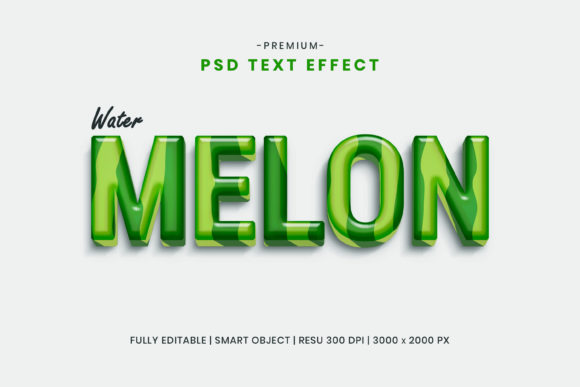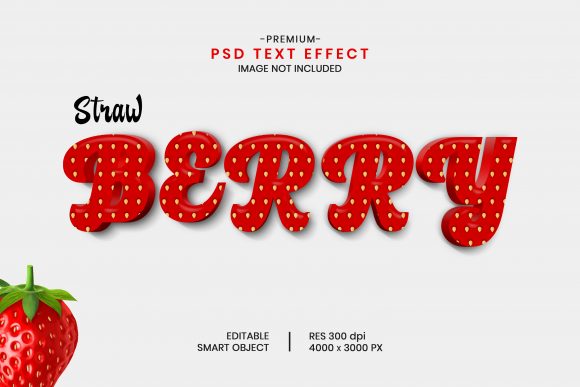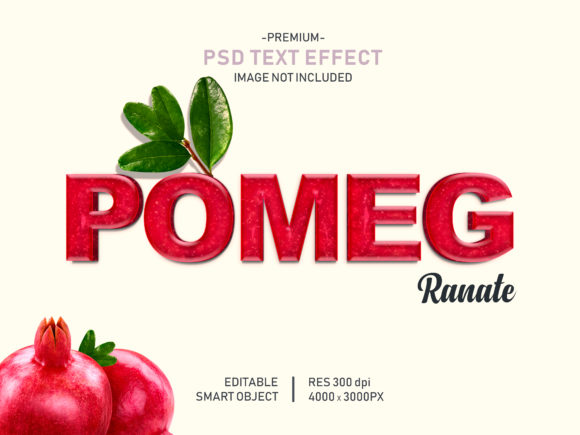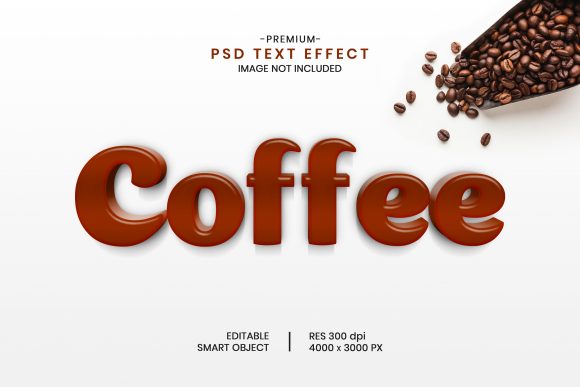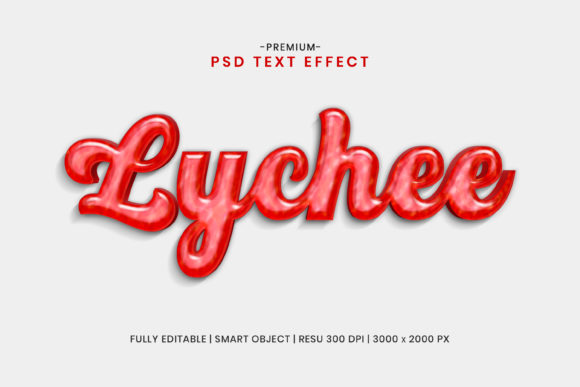
Lychee Fruit Editable 3D Text Effect: A Strategic Approach to Visual Communication
In the landscape of digital design, visual hierarchy and texture play pivotal roles in capturing attention. The Lychee Fruit Editable 3D Text Effect offers more than just an aesthetic choice; it provides a sophisticated method for integrating organic, tactile elements into graphic projects. For entrepreneurs, marketers, and creative professionals, understanding how to leverage such specific design assets can significantly enhance brand positioning and communication clarity. This template is not merely a decorative tool but a functional asset designed to streamline workflows while delivering high-impact results.
The Strategic Value of Organic Texture in Digital Design
Modern digital interfaces are often dominated by flat, minimalist aesthetics. While clean lines communicate efficiency, they can sometimes lack emotional resonance or sensory appeal. Introducing organic textures, such as the unique surface of a lychee fruit, adds depth and intrigue to typographic designs. The Lychee Fruit Editable 3D Text Effect capitalizes on this psychological response, using the familiar yet exotic appearance of the fruit to create a sense of freshness, natural sweetness, and premium quality.
For small business owners in the food and beverage industry, this effect is particularly potent. It allows brands to visually communicate attributes like "natural," "handcrafted," or "tropical" without relying solely on copywriting. Similarly, educators and bloggers can use this style to make educational materials or blog headers more engaging, breaking through the visual noise of social media feeds. The key strategic advantage lies in its ability to evoke a specific mood instantly, supporting goals related to customer experience and brand differentiation.
Efficiency Through Smart Object Technology
Time is a critical resource for freelancers, agency owners, and decision-makers who manage multiple projects simultaneously. The technical architecture of the Lychee Fruit Editable 3D Text Effect is built around efficiency. Utilizing Adobe Photoshop’s smart object feature, this template eliminates the need for manual re-rendering of complex 3D shapes for every text variation.
Traditionally, creating a textured 3D text effect requires extensive layer manipulation, masking, and blending mode adjustments. With this template, the process is reduced to a few intuitive steps:
- Double-click the smart object layer: This opens a separate file containing the base texture and lighting setup.
- Place your design: Insert your logo, typography, or vector shape into this workspace.
- Save and return: Upon saving and closing the smart object, the main document automatically updates with the new text integrated seamlessly into the lychee texture.
This workflow reduces production time from hours to seconds, allowing designers to focus on strategy and creative direction rather than technical execution. For teams working under tight deadlines, this level of operational efficiency is invaluable.
Technical Specifications and Quality Assurance
High-resolution output is non-negotiable for professional presentations, print materials, and large-format displays. The Lychee Fruit Editable 3D Text Effect is provided at a resolution of 4000×3000 pixels with a density of 300 DPI. This specification ensures that the fine details of the lychee skin—its bumpy texture and subtle color gradients—are rendered sharply, whether viewed on a mobile screen or printed on a billboard.
Furthermore, the template features well-organized layers. In complex design files, disorganized layers can lead to confusion and errors during future edits. By maintaining a structured layer panel, this template supports long-term project management. It allows users to easily adjust individual components, such as lighting angles, shadow intensity, or color overlays, without disrupting the entire composition. This modularity is essential for professionals who need to adapt designs for different contexts, such as dark mode vs. light mode presentations.
Intentional Application: When and How to Use
While the visual impact of the Lychee Fruit Editable 3D Text Effect is undeniable, its effectiveness depends entirely on intentional application. Using this style randomly can lead to visual clutter and mixed messaging. Decision-makers should consider the following strategic frameworks before incorporating this asset into their projects.
Brand Alignment and Tone
Before deploying this text effect, evaluate whether it aligns with your brand voice. Is your brand playful, fresh, and vibrant? Or is it serious, corporate, and understated? The lychee texture carries connotations of sweetness, summer, and nature. It may be highly effective for a juice bar, a cosmetic brand focusing on botanical ingredients, or a travel agency promoting tropical destinations. Conversely, it might clash with a law firm or a financial institution seeking to project stability and rigidity. Thoughtful use ensures that the visual medium reinforces, rather than contradicts, the core message.
Contextual Relevance
Consider the context in which the design will appear. Social media campaigns often benefit from bold, textured typography that stops the scroll. However, in formal documentation or academic publishing, such effects may be perceived as unprofessional. Educators and publishers should reserve this style for supplementary materials, cover designs for creative subjects, or promotional graphics, while maintaining standard typography for body content to ensure readability and authority.
Risks of Misapplication
One of the primary risks in using pre-made templates is the potential for generic outcomes. If the text size is too small or the contrast between the text and the lychee texture is insufficient, readability suffers. Poor legibility undermines the primary function of communication: to convey information clearly. Additionally, overusing textured effects across a single layout can create visual fatigue. Designers must exercise restraint, using the Lychee Fruit Editable 3D Text Effect as a focal point rather than a background element for all content.
Another consideration is font compatibility. While the template uses free fonts for accessibility, the thickness and style of the chosen typeface will interact differently with the lychee texture. Thin, delicate fonts may get lost in the bumps of the fruit skin, while bold, sans-serif fonts typically render better. Practitioners should test various typefaces to find the optimal balance between artistic expression and clarity.
Enhancing Creativity and Productivity
Beyond immediate project needs, mastering tools like this template contributes to long-term skill development. Understanding how smart objects work empowers creators to build their own libraries of reusable assets. This shift from passive consumer to active creator fosters innovation. Freelancers and hobbyists can experiment with variations—changing colors, adding filters, or combining the lychee effect with other organic textures—to develop a unique visual signature.
For marketers, this capability supports agile content creation. Instead of commissioning custom illustrations for every campaign, teams can rapidly produce high-quality visuals that maintain consistency. This agility allows for faster testing of marketing hypotheses, leading to better data-driven decisions and improved ROI.
Conclusion on Practical Utility
The Lychee Fruit Editable 3D Text Effect represents a convergence of aesthetic appeal and technical efficiency. By leveraging smart objects, high-resolution assets, and organized layer structures, it serves as a powerful tool for professionals aiming to elevate their visual communication. However, its true value is realized only when used strategically—aligned with brand identity, appropriate for the context, and applied with an eye toward readability and impact. For those willing to integrate this tool thoughtfully into their workflow, it offers a significant advantage in speed, quality, and creative expression.