Designing with Retro 3D Cactus Graphics: A Comprehensive Guide to Versatile Digital Assets
In the evolving landscape of digital design and print-on-demand markets, visual trends cycle rapidly, yet certain aesthetics possess a timeless appeal that resonates across diverse demographics. Among these enduring styles is the intersection of nostalgic typography, vibrant color palettes, and playful subject matter. One specific asset that has gained significant traction among designers and entrepreneurs is the Retro 3D Cactus graphic. This unique visual element combines the whimsical nature of desert flora with the bold, dimensional aesthetic characteristic of mid-century modern and 1970s pop art. For creators looking to expand their product lines or add a distinctive flair to their brand identity, understanding the utility and versatility of this specific design category is essential.
The appeal of the Retro 3D Cactus lies not just in its visual charm but in the technical flexibility it offers to professionals. Whether you are a seasoned graphic designer seeking high-quality vector files or a small business owner aiming to launch a new clothing line, the availability of comprehensive file formats ensures that the design can be adapted to virtually any medium. The inclusion of multiple file types within a single package allows for seamless integration into various workflows, from screen printing to digital marketing materials.
Understanding the Technical Specifications and File Formats
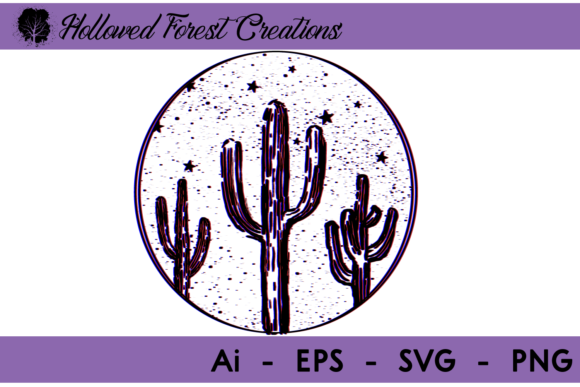
When evaluating digital assets for commercial use, the format of the source file is as critical as the artwork itself. A premium Retro 3D Cactus design typically comes packaged in a .zip folder containing four distinct file types: SVG, EPS, AI, and PNG. Each format serves a specific purpose in the design pipeline, offering different levels of scalability, editability, and compatibility.
- SVG (Scalable Vector Graphics): This format is ideal for web design and digital illustrations. Because SVGs are vector-based, they can be scaled to any size without losing quality. They are particularly useful for websites, social media graphics, and laser cutting projects where precision is key. The lightweight nature of SVG files also ensures fast loading times on digital platforms.
- EPS (Encapsulated PostScript): Widely used in the printing industry, EPS files are compatible with a broad range of professional design software. They are excellent for large-format printing, such as banners, posters, and signage. The EPS format preserves the integrity of the design elements, ensuring that colors and shapes remain sharp even when enlarged significantly.
- AI (Adobe Illustrator Artwork): As the native format for Adobe Illustrator, AI files provide the highest level of editability for professionals. Designers can manipulate individual paths, adjust colors, modify typography, and restructure the composition to fit specific branding needs. This format is indispensable for those who require deep customization of the base design.
- PNG (Portable Network Graphics): For users who need immediate access to a raster image without editing capabilities, PNG files offer high-resolution transparency. These are perfect for quick mockups, email newsletters, and simple digital prints. The transparent background allows the cactus graphic to be placed over any backdrop without a visible box around it.
This multi-format approach ensures that whether you are working on a complex vector illustration or a simple JPEG upload for a print-on-demand service, you have the appropriate tool for the job. The ability to switch between these formats streamlines the workflow, reducing the need for external conversion tools that might compromise quality.
Customization and Color Adaptation
One of the most significant advantages of using vector-based designs like the Retro 3D Cactus is the ease of customization. In the world of branding, consistency is paramount. A design that fits perfectly with one brand’s palette may clash entirely with another’s. Fortunately, these files are engineered to be easily editable. Users can change colors to their liking, allowing for a tailored look that aligns with specific seasonal themes, corporate identities, or personal preferences.
For instance, a brand focusing on eco-friendly products might choose earthy tones such as sage green, terracotta, and sand beige for their cactus graphics. Conversely, a party supply company might opt for neon pinks, electric blues, and sunny yellows to evoke a sense of fun and energy. The retro 3D style inherently lends itself to bold color contrasts, making it easy to create eye-catching visuals that stand out in a crowded marketplace. This flexibility extends beyond color; designers can also adjust the depth of the 3D effect, tweak the shading gradients, or modify the texture patterns to suit the desired aesthetic.
Applications in Apparel and Textile Design
The fashion and textile industries are among the primary beneficiaries of high-quality graphic assets. The Retro 3D Cactus design is particularly well-suited for apparel, including t-shirts, hoodies, hats, and tote bags. The playful yet stylish nature of the cactus motif appeals to a wide audience, from teenagers looking for trendy streetwear to adults seeking casual, conversation-starting outfits.
Sublimation printing is a popular method for applying these designs to fabric. Sublimation allows for full-color, edge-to-edge printing, which is perfect for capturing the vibrant gradients and shadows inherent in 3D retro designs. Because the source files are vector-based, the design can be scaled to fit any garment size without pixelation. This is crucial for maintaining the crispness of the 3D effect, which relies on clean lines and smooth transitions.
Beyond standard apparel, these graphics can be integrated into fabric patterns. By repeating the cactus motif in various orientations and scales, designers can create unique textile prints for home decor items such as throw pillows, curtains, and upholstery. The versatility of the design allows it to work equally well as a standalone focal point or as part of a larger, cohesive pattern. This adaptability makes it a valuable asset for interior designers and fabric manufacturers looking to tap into the growing demand for retro-inspired home goods.
Home Decor and Wall Art Trends
Interior design is currently seeing a resurgence of mid-century modern and retro influences, and the Retro 3D Cactus fits seamlessly into this trend. It adds a touch of whimsy and personality to living spaces without overwhelming the room. When printed on canvas, metal, or wood, the 3D effect of the cactus creates a sense of depth and dimensionality that enhances the visual interest of wall art.
These designs are particularly effective in nurseries, playrooms, and offices, where a lighthearted atmosphere is desired. The cactus, often associated with resilience and low maintenance, can serve as a subtle metaphor for strength and adaptability, adding a layer of meaning to the decor. Furthermore, the ability to customize colors means that the artwork can be matched to existing color schemes in a room, ensuring a harmonious blend with other decor elements.
Educators and parents also appreciate the friendly and approachable nature of the cactus imagery. It can be used in educational materials to teach children about plants, deserts, and sustainability. The bright colors and engaging shape make learning more enjoyable and memorable for young students.
Considerations for Commercial Use
While the benefits of using Retro 3D Cactus graphics are numerous, it is important for consumers to consider the legal and practical aspects of commercial use. Before purchasing or downloading any design, users should review the licensing terms provided by the creator. Most digital assets come with a license that permits personal use and limited commercial use, but restrictions may apply regarding the number of items produced or the distribution channels used.
Additionally, while the files are easy to edit, users should ensure they have the necessary software to open and modify the files. For example, editing AI or EPS files typically requires Adobe Illustrator or a compatible alternative like CorelDRAW or Affinity Designer. SVG files can be edited in a wider range of software, including free tools like Inkscape. Understanding the technical requirements helps prevent frustration and ensures that the design process runs smoothly.
Another consideration is the quality of the final output. Even with high-resolution source files, the quality of the end product depends on the printing method and material used. Investing in high-quality printing services and materials will help preserve the integrity of the design, ensuring that the vibrant colors and sharp details are faithfully reproduced.
Conclusion
The Retro 3D Cactus graphic represents more than just a trendy visual element; it is a versatile, high-quality asset that offers immense value to a wide range of creators. With its comprehensive file formats, easy customizability, and broad applicability across apparel, home decor, and digital media, it stands out as a practical choice for both hobbyists and professionals. By leveraging the strengths of SVG, EPS, AI, and PNG formats, designers can bring this nostalgic yet modern motif to life in ways that resonate with audiences worldwide. Whether you are launching a new brand, refreshing your home decor, or creating educational content, incorporating the Retro 3D Cactus into your projects can add a unique and engaging touch that elevates your work.